
There’s a belief in SEO that almost everyone accepts without questioning.
“You can’t get backlinks from your competitors.”
It sounds reasonable. Why would a competitor help you rank higher? Why would they send authority to your site instead of their own? This assumption quietly shapes how most teams approach link building and it’s exactly why they miss one of the easiest backlink opportunities available.
The reality is far less emotional and far more practical.
Competitors don’t link based on loyalty. They don’t link based on rivalry. They link based on utility, convenience, and credibility.
If your content makes their content stronger, safer, or easier to write, they will link, even if you’re competing in the same space.
That’s how we earned 25 free backlinks from competitors without outreach, without partnerships, and without ranking #1 for the keyword.
And more importantly: this still works today.
The Core Misunderstanding About Backlinks
Most SEO teams treat backlinks like something you go get.
They scrape lists, send cold emails, pitch guest posts, negotiate link swaps, and follow up five times hoping someone feels generous. That approach works occasionally, but it doesn’t scale and it completely ignores how links are actually created in the wild.
Most backlinks aren’t placed because someone was convinced.
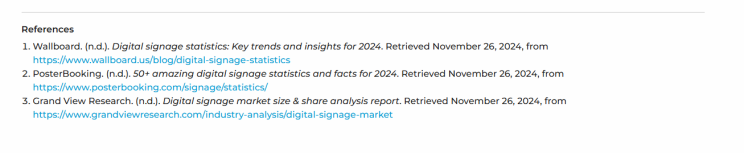
They’re placed because:
A writer needed a source
An editor required a citation
A statistic was needed to support a claim
A number made content sound credible
In other words, links happen naturally when content requires references.
That’s the mental shift most people never make.
Why Backlink Magnets Beat Outreach Every Time
A backlink magnet is content designed to pull links instead of chasing them.
This type of content removes friction from linking. It answers the silent question every writer asks:
“What can I safely cite here without doing extra work?”
When your page becomes the obvious answer, backlinks happen automatically, even from sites that compete with you.
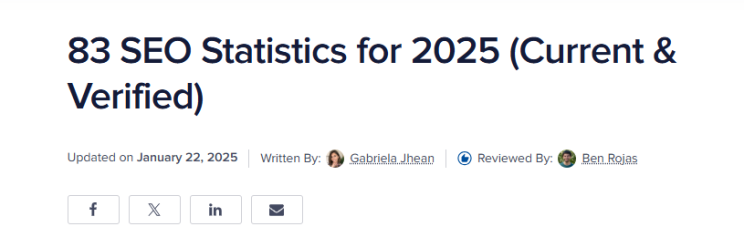
Some examples of classic backlink magnets:
Original research
Benchmarks
Industry surveys
Tools and calculators
Public datasets
Industry statistics
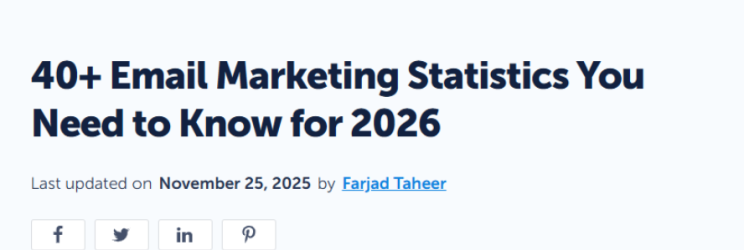
Out of all of these, industry statistics are the most underrated, especially in B2B and micro-niches.
Why Industry Statistics Are So Powerful
Industry statistics work because they sit at the intersection of high demand and low supply.
Everyone wants data. Very few people want to compile it.
Writers, marketers, and even competitors constantly publish content like:
“X trends you should know”
“The state of the industry”
“Why this market is growing”
“Key challenges in X industry”
All of those articles need numbers. And those numbers need sources.
When no single authoritative statistics page exists, people either:
Link to outdated sources
Cite random blogs
Or make numbers up (which editors hate)
That’s where the opportunity opens.
If you build the most complete, up-to-date statistics resource in your niche, you become the default citation, not because you’re the biggest brand — but because you did the work.
Our Simple Backlink Magnet: Industry Statistics
Our backlink magnet was not complicated.
We created two deeply researched articles focused on:
Digital signage statistics (2022–2025)
Market growth, adoption trends, usage data, and projections

These weren’t fluffy listicles. They were structured resources designed for citation:
Clear headings
Year-by-year breakdowns
Short, quotable stats
Sources referenced and updated
Here’s the important part:
We were not ranking #1 for “digital signage statistics.”
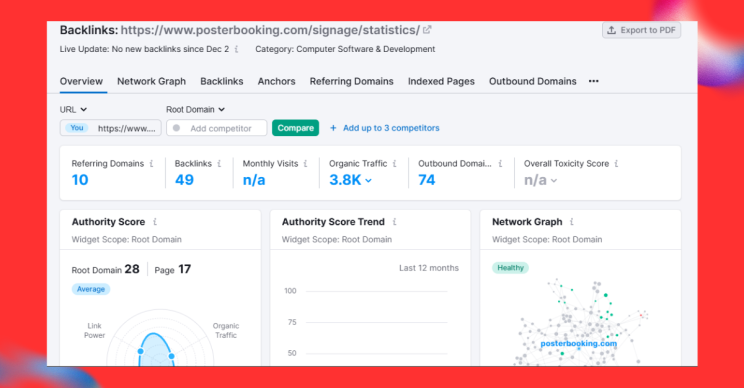
And yet, we still earned 25 backlinks, including links from direct competitors.
The Results: 25 Backlinks From Competitors (Without Outreach)
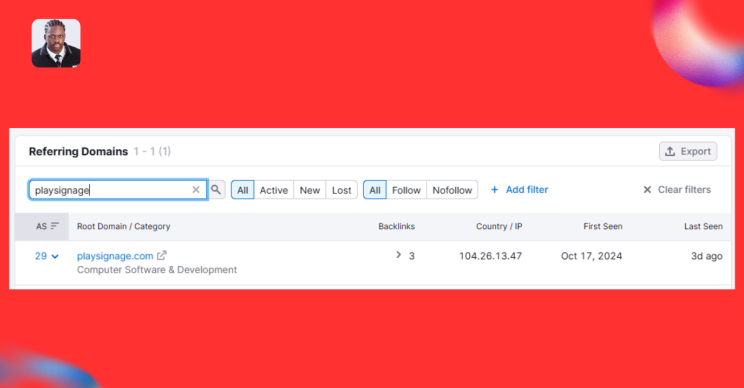
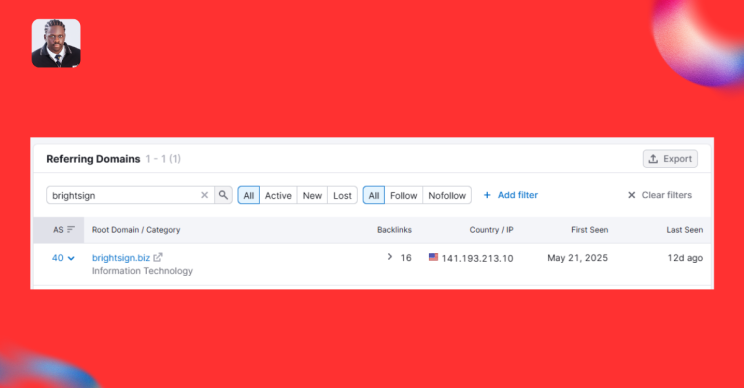
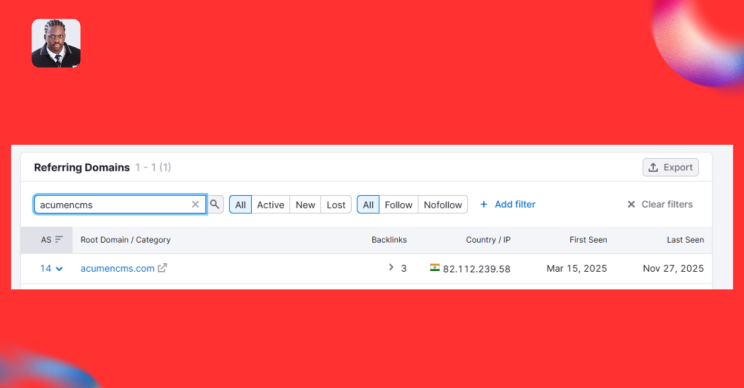
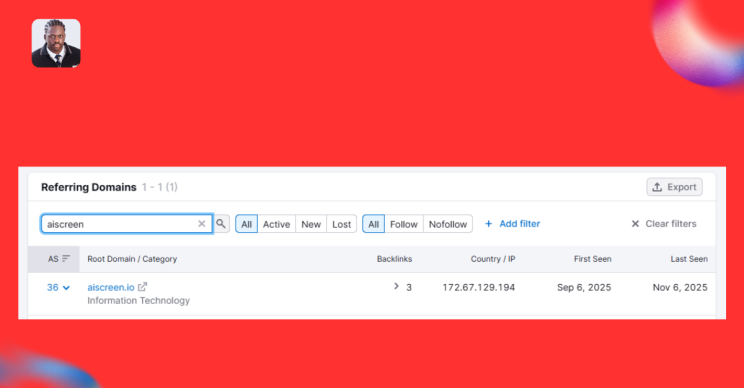
From just those two articles, we earned:
3 backlinks from competitors with AS 38
3 backlinks from competitors with AS 14
3 backlinks from competitors with AS 29
16 backlinks from a competitor with AS 40
In total: 25 backlinks, largely contextual, placed inside editorial content.
These weren’t footer links. They weren’t author bio links. They were in-content citations referencing our statistics.
Why did competitors link?
Because when they needed data to support their content, our page solved the problem instantly.
Why You Don’t Need to Rank #1 to Win Links
This is where most people get SEO wrong.
They assume rankings come first, then backlinks follow.
In reality, statistics pages earn backlinks even when they don’t rank #1, because links are placed during the content creation process not during the search process.
Writers don’t always Google “best statistics page.” They search broadly, scan results, or reuse sources they’ve already cited before.
If your page is:
Comprehensive
Clearly structured
Recently updated
It becomes linkable long before it becomes #1.
That’s why targeting statistics keywords is one of the easiest ways to earn backlinks organically.
The Butterfly vs Garden Analogy (And Why It Matters)
Most SEO link building looks like chasing butterflies.
You run around trying to grab them:
Outreach emails
Follow-ups
Negotiations
Rejections
It’s exhausting and unpredictable.
A backlink magnet flips the model.
You plant a garden.
You create something valuable, visible, and useful and the butterflies come to you on their own.
Industry statistics pages are that garden.
And the best part? Once planted, they keep working.
Why This Is an Evergreen Backlink Strategy
Our statistics content isn’t a one-time play.
As long as we:
Update the data yearly
Add new sources
Expand coverage
The asset continues to attract links.
Old competitors refresh their blogs → they link again. New competitors enter the market → they cite the same stats. AI-generated content pulls sources → it references the same page.
This is how backlinks compound over time, instead of resetting every campaign.
Just like a garden, it keeps attracting butterflies as long as it’s maintained.
Important Reality Check: This Works Best in Micro-Niches
This strategy is not universal.
It works best in:
Micro-niches
Vertical SaaS markets
Industry-specific B2B spaces
It works worse in ultra-competitive niches like:
SEO
Marketing
Fitness
“Make money online”
In those markets, data is already saturated and dominated by massive brands.
But in smaller industries, even aggregated statistics can outperform everything else simply because no one bothered to do it properly.
How to Replicate This Strategy in Any Industry
You don’t need original research to start. Aggregation + structure + consistency is enough.
Here’s how this looks across industries:
1. Email Marketing
Create:
Open rate benchmarks
CTR by industry
Deliverability trends
Year-over-year growth stats
Agencies, SaaS tools, and competitors constantly cite this data.
2. Fintech
Create:
Digital payment adoption rates
Fraud statistics
Mobile banking usage
Regional growth trends
Compliance-heavy industries love credible sources.
3. HR & Recruitment
Create:
Hiring trends
Remote work adoption
Time-to-hire benchmarks
Salary growth data
Every ATS and recruitment platform needs these stats.
4. E-commerce
Create:
Conversion benchmarks
Cart abandonment rates
Mobile vs desktop behavior
Payment method preferences
Perfect citation bait for SaaS tools and blogs.
5. Cybersecurity
Create:
Breach statistics
Cost of attacks
Industry risk comparisons
Yearly threat growth
Fear-driven industries rely heavily on data.
Final Thought
You don’t get backlinks by asking nicely. You get backlinks by being useful at the exact moment someone needs a source.
Stop chasing links like butterflies. Build assets that make linking inevitable.
Because even your competitors will link to you, not because they want to, but because it’s the smartest option they have.